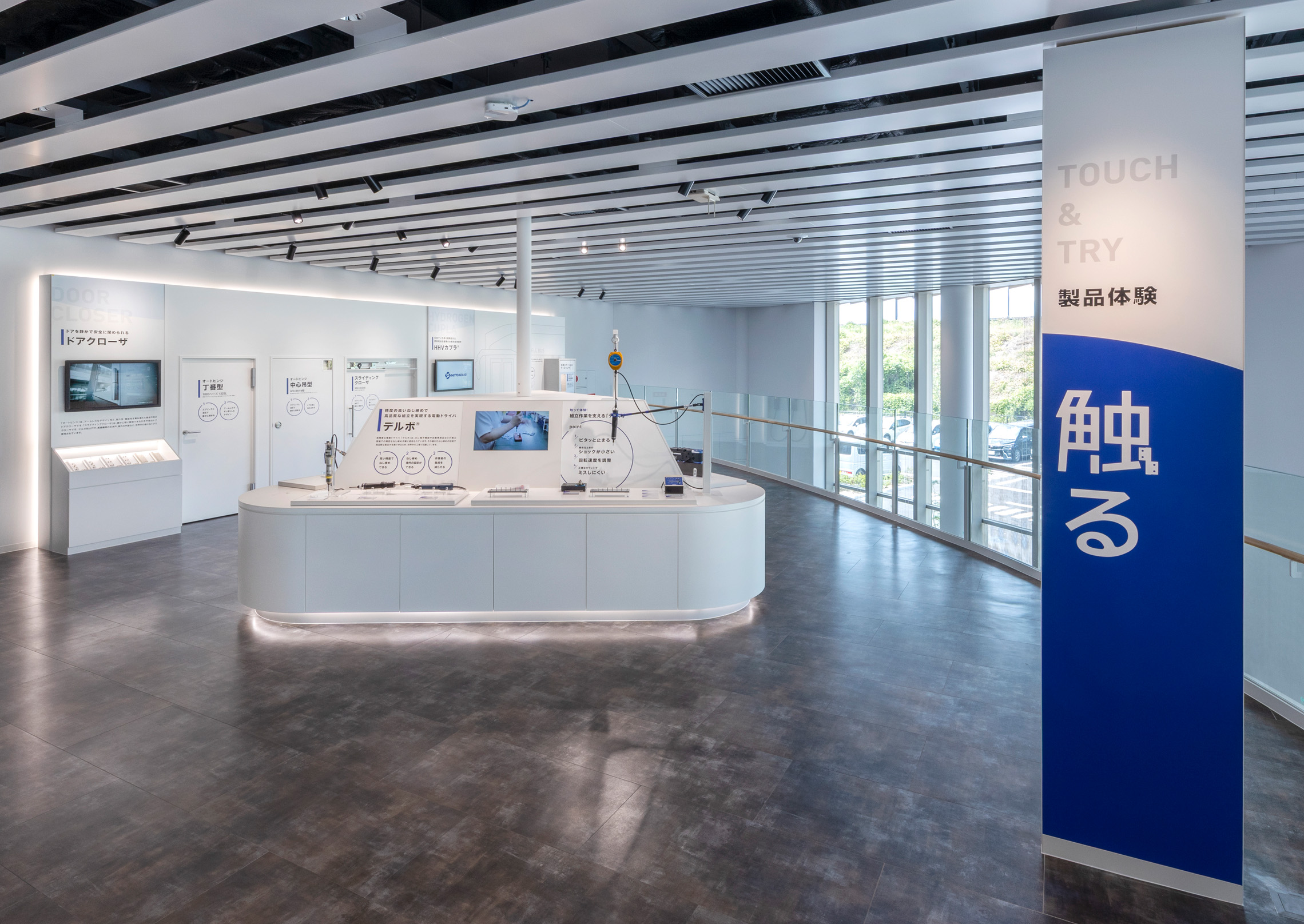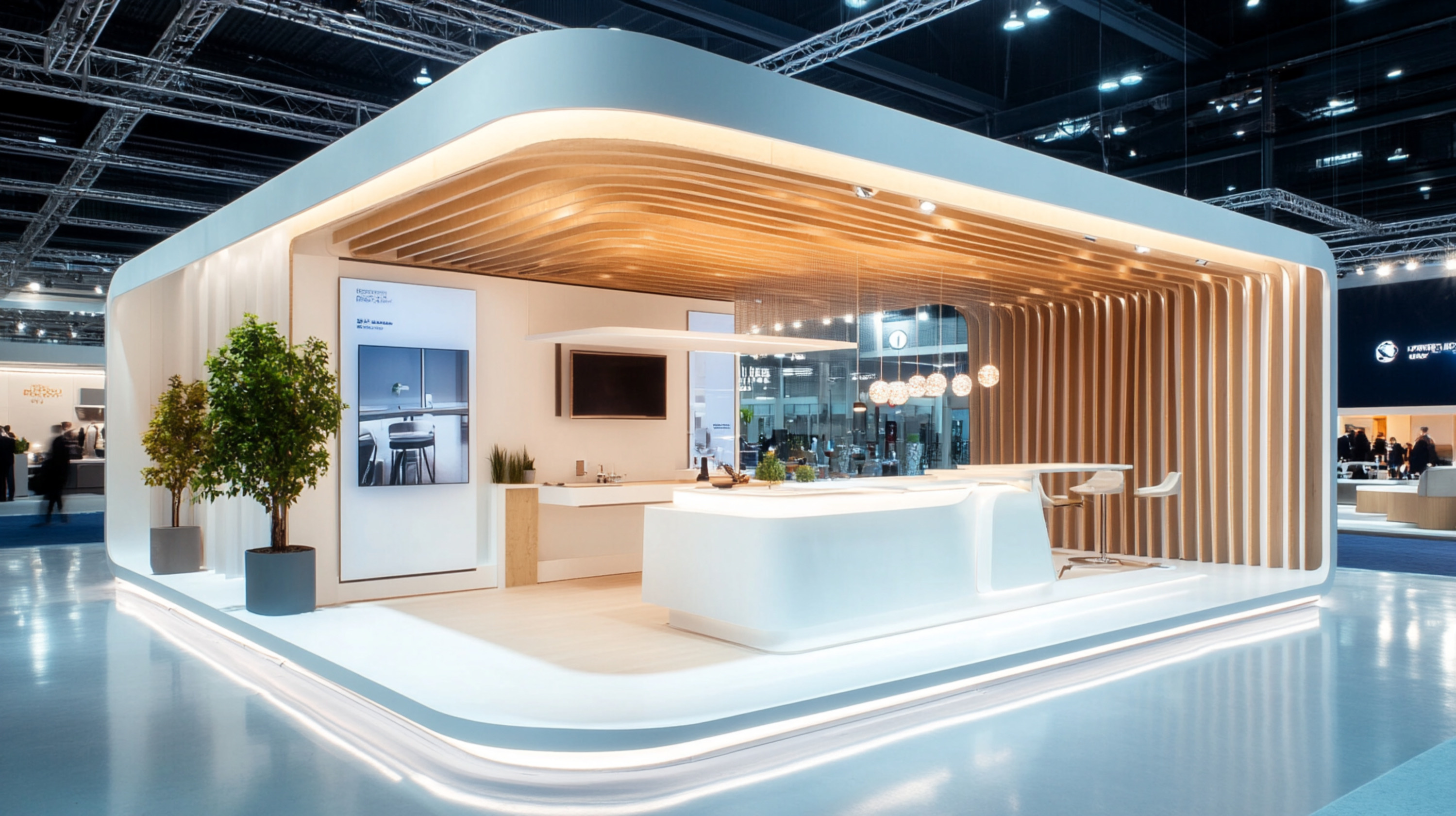
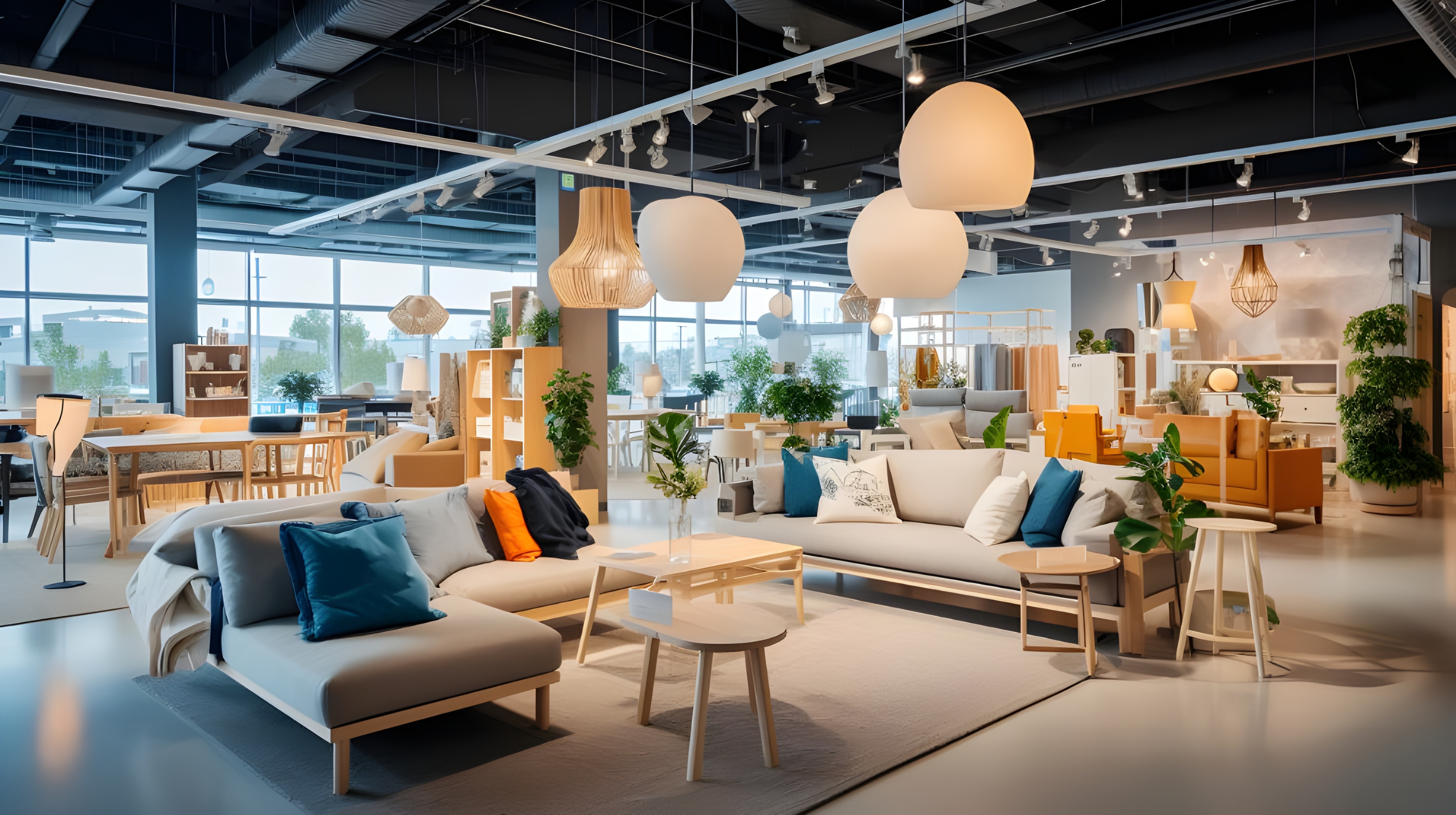
What is a showroom? A place where companies communicate the appeal of their products and services
A showroom is a space for displaying a company's products or services and conveying their features and value to visitors.
Showrooms where general consumers visit to choose products, such as housing equipment or automobiles, are well-known. On the other hand, there are also showrooms established by companies dealing in industrial equipment, materials, or technology to welcome business partners and prospective clients.
In the latter case, the role is not just to line up and show products, but also to convey the company's technical capabilities and values. This is because in business-to-business transactions, in addition to product specifications, the technical strength supporting the product and reliability as a business partner also become criteria for judgment.
There is not just one form of installation. Options such as setting it up in a corner of the head office or factory, or building it as an independent structure, are chosen according to the purpose and the number of visitors.
In addition, corporate museums and exhibitions have purposes similar to those of a showroom. Corporate museums are facilities that introduce a company's history, philosophy, and technological progress, and their roles sometimes overlap with those of showrooms. Also, business exhibitions (trade fairs) in which companies exhibit are generally promotional venues held for a limited time. They exhibit their company's products, services, and technologies, leading to customer acquisition through business negotiations with visitors.

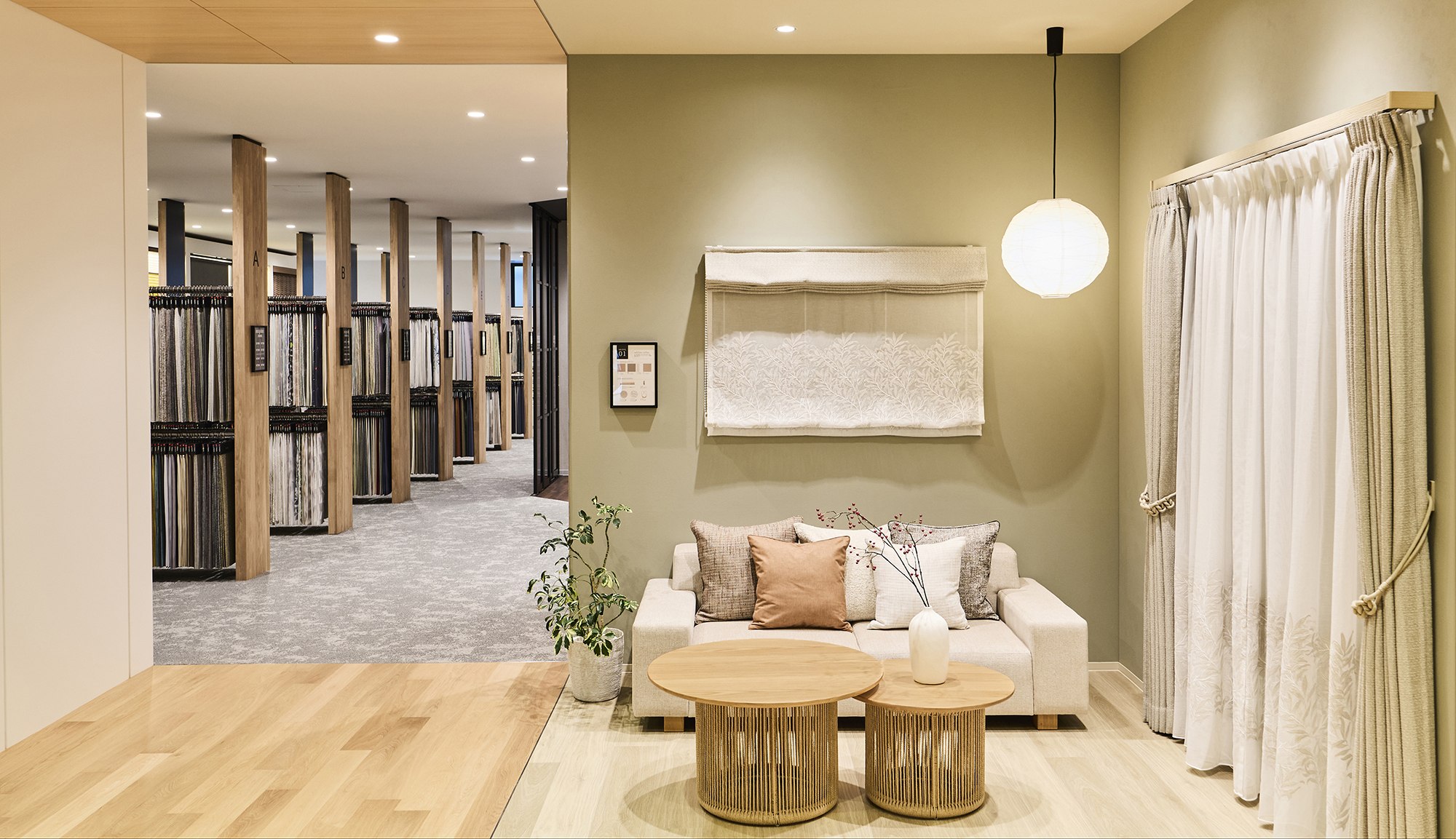
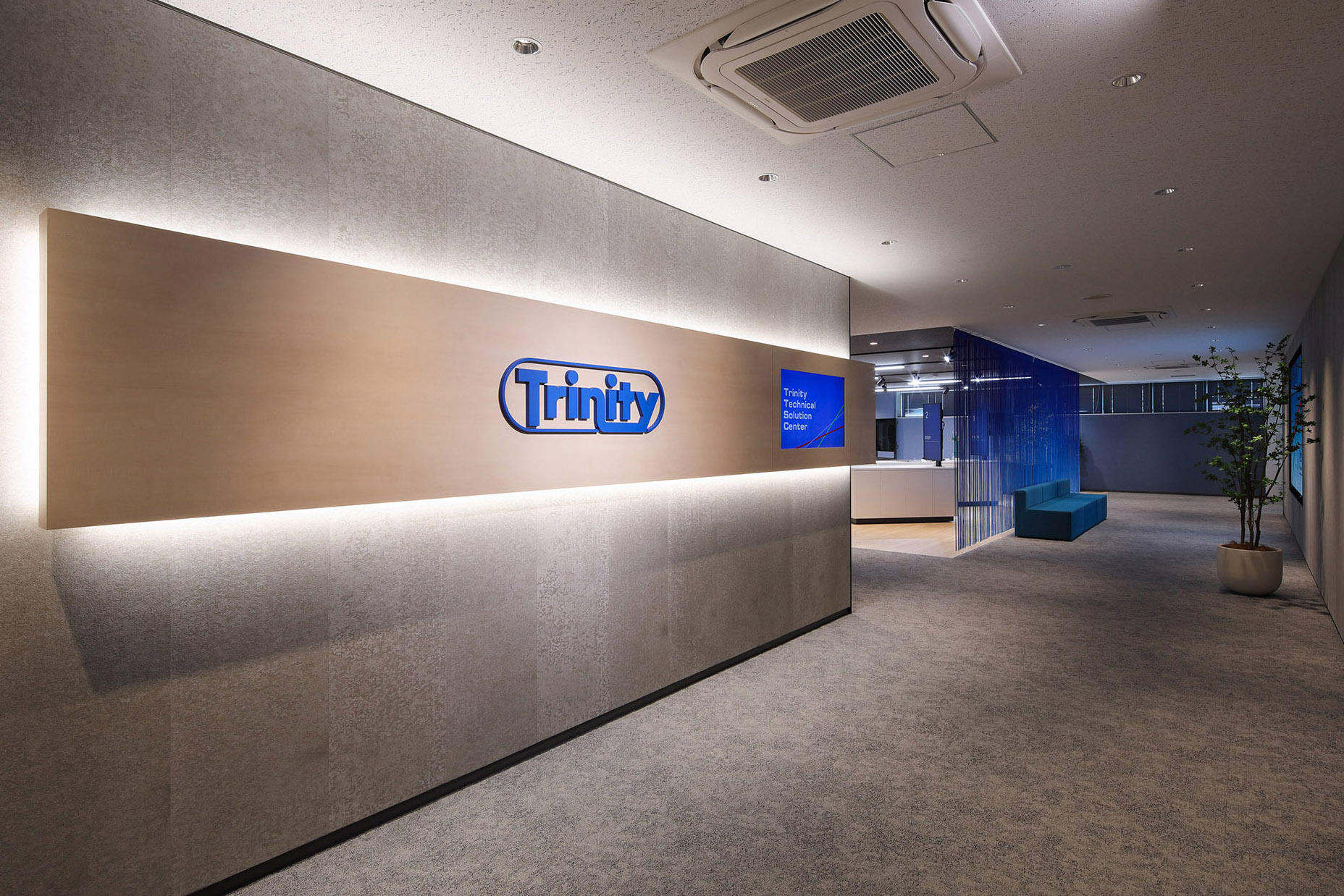
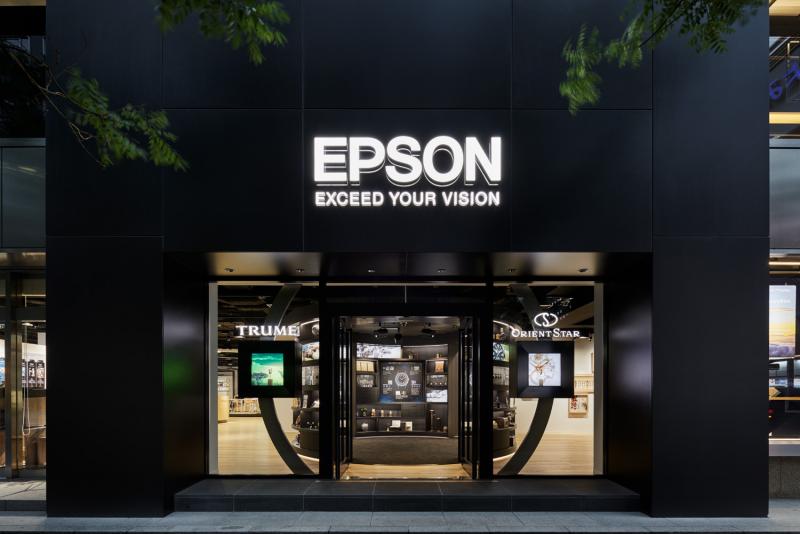
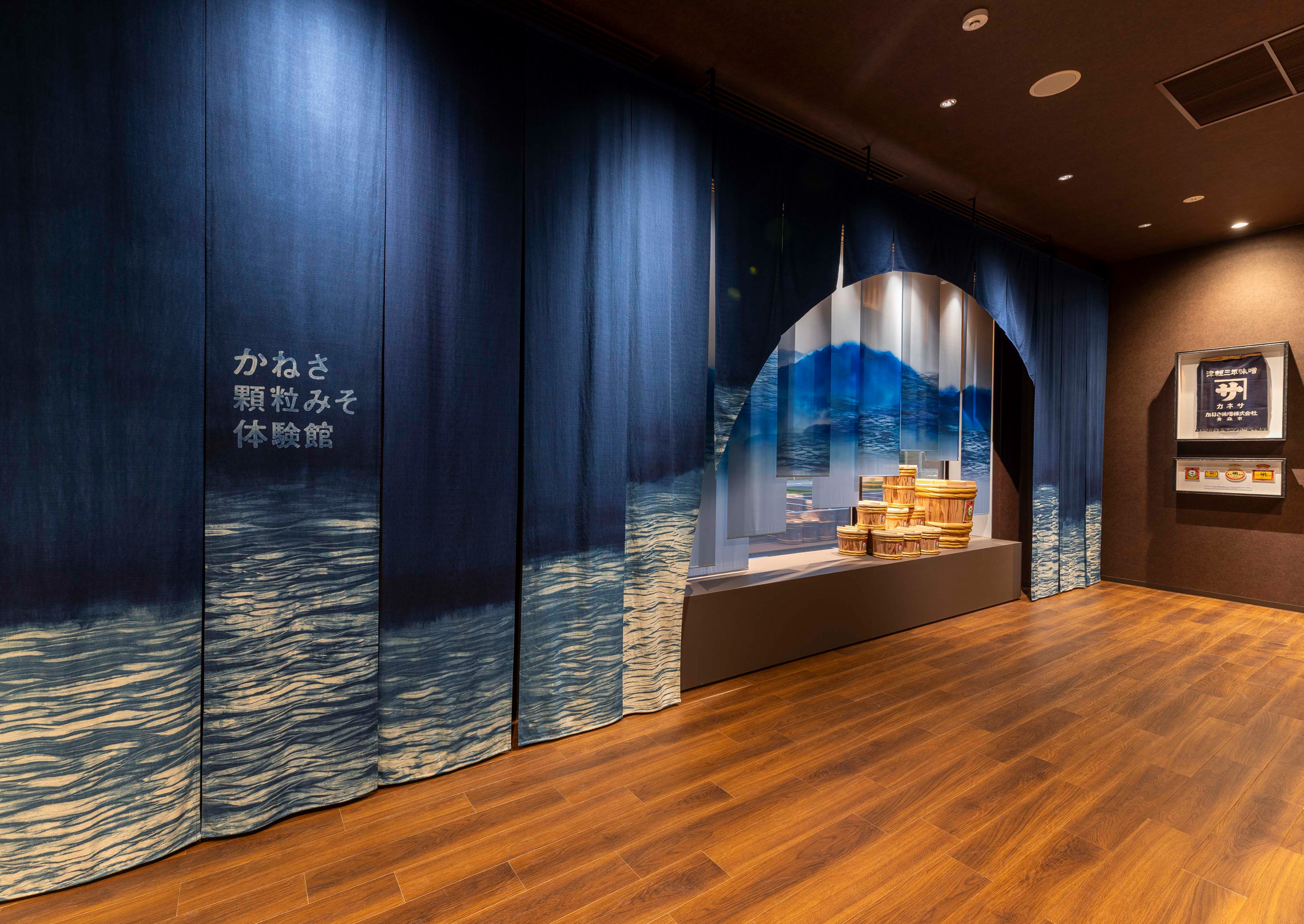
*The image is for illustrative purposes only
Main purposes for companies to establish a showroom
One of the major purposes for a company to establish a showroom is to deepen communication with business partners and prospective customers. By having them actually experience products and services, or by conveying the company's philosophy and initiatives, visitor understanding and empathy are encouraged, which can lead to dialogue and business negotiations.
Here, we introduce three representative approaches to deepening communication.
Have them experience products/services to deepen their understanding
Having visitors actually see, touch, and operate products or services is an effective way to deepen their understanding of their features and value. For example, even with products that are difficult to transport, such as large machinery and equipment, a showroom allows visitors to see them actually in operation.
Information such as the texture and sound of materials, and the response when operated, cannot be fully conveyed through photos and videos alone. By allowing people to actually see, touch, and verify them, the features of a product or service can be conveyed more concretely. In addition, by combining digital technologies such as video and touch panels, and models that reproduce internal structures, the structure of the product and the mechanism of invisible technology can be introduced in an easy-to-understand manner.
Conversations are born from such experiences, and by repeating explanations according to questions and interests, the other party's understanding and conviction can be deepened. Hearing about things while touching the actual items makes it easier to concretely envision the post-implementation image, which also leads to encouraging the judgment of customers in the consideration stage.
Conveying the brand, technology, and corporate initiatives
Conveying not only products and services, but also the corporate brand and technical capabilities behind them, and initiatives toward society, is also an important approach to deepen communication. Through spatial design, lighting, and video production, visitors can experience the values and worldview that the company cherishes.
The content to be exhibited is not limited to products. By introducing the background of development, consideration for the environment, and involvement with the community, the company's attitude and thoughts behind the products can also be conveyed. Sharing this kind of information deepens understanding and empathy toward the company, leading to subsequent dialogue and relationship building.
In addition, showrooms can be utilized as a venue for recruitment activities and employee training. This is because when students and employees experience the company's philosophy, business, and initiatives, it provides an opportunity to deepen their understanding of the company.
Understanding needs and challenges through dialogue with customers
Showrooms can also be used as a place to directly dialogue with customers and understand their needs and challenges. In business negotiations in front of products, staff can specifically explain features, and customers can convey questions and requests while checking the actual items. If a space for business negotiations is provided near the exhibition area, meetings can proceed while checking the exhibition contents.
From the reactions and questions of visitors, you can see what customers are interested in and what kinds of challenges they face. Through ongoing dialogue, you can uncover needs that are difficult to notice just through meetings in a conference room, and connect them to new proposals.
Furthermore, the opinions and requests gathered there serve as hints for product development and service improvement. Not only does this deepen mutual understanding through communication with customers, but it also becomes an opportunity to create new value.

Things to consider during the planning phase to utilize a showroom
A showroom does not end with its opening; it demonstrates its value only by continuing to be utilized. Here are two key points to keep in mind during the planning stage.
Structuring the tour content according to who you are telling what to
Planning starts by clarifying who you want to reach and what you want to communicate. The information visitors seek varies depending on who they are, such as new business partners, existing customers, general consumers, or prospective student recruits. Business partners will likely be interested in technical details and case studies, while students will tend to focus on job descriptions and company culture.
If you decide on exhibits while the visitor profile (target) is vague, it tends to become a space where information is packed too tightly and the main points are difficult to convey.
Once the target audience is determined, assemble the tour order and flow to match that audience. For example, by structuring it to start from an area introducing the company's philosophy, moving to product experiences, and then to the negotiation space, visitors can touch the products based on that philosophy, making it easier to enter subsequent business negotiations.
However, the appropriate tour flow varies depending on the visitors. Therefore, it is best to create a flexible structure so that the tour route and explanations can be adjusted according to the profile of the visitors. The visitor persona and tour flow organized during the planning stage will also serve as important materials when consulting with contractors.
Consider how to update exhibits and guide visitors
Operation after opening is another point you want to consider from the planning stage. If the exhibits remain just as they were when initially opened, a slight gap will gradually emerge between the information visitors see and the current state of the company.
For example, separating exhibitions that are regularly replaced, such as new products, from exhibitions that are continuously introduced, such as corporate philosophy, makes it easier to organize the scope that needs updating. In addition, making the display stands into a structure that makes it easy to replace products, or configuring the video so that a part can be replaced, makes it easier to reduce the effort and cost required for updates.
Additionally, keeping records of the number of visitors and the number of cases that progressed to business negotiations will serve as a basis for decision-making when reviewing exhibit content and operational methods.
The guidance method for visitors also needs to be decided in advance. Depending on whether it is a reservation system where staff accompany visitors or a free tour, the required personnel, the amount of explanatory panels, and how to indicate the route will change. If the guiding employees share the intent of the exhibition, it is also easier to prevent variations in the content of explanations by staff.

Let's think about how to utilize a showroom based on the purpose of its installation
A showroom is a space that conveys the appeal of products and services through the actual items, connecting the company and visitors. Its roles are diverse, including promoting understanding through experience, communicating the brand and technology, and engaging in dialogue and business negotiations with customers.
When considering the establishment of a showroom, it is important to first clarify the purpose of installation and the target audience, and to look ahead not only to the exhibition content, but also to post-establishment updates and guidance methods. Moreover, choosing a partner who can comprehensively consult from planning to design, construction, and operation as needed will lead to the creation of a showroom tailored to the purpose.
For those who want a specific image of how to present exhibits and space composition, our company'sRelated Projectsplease also refer to this.