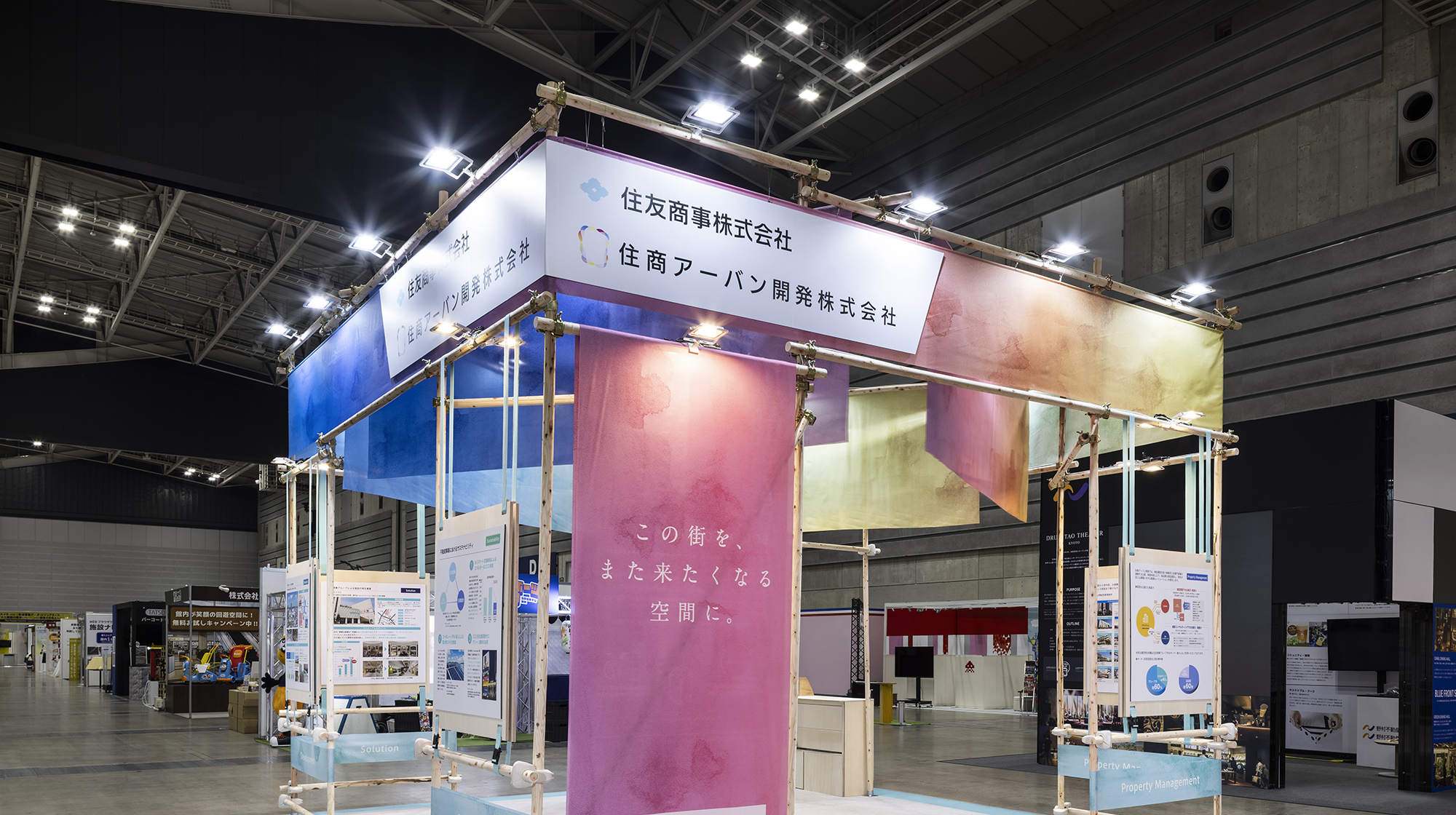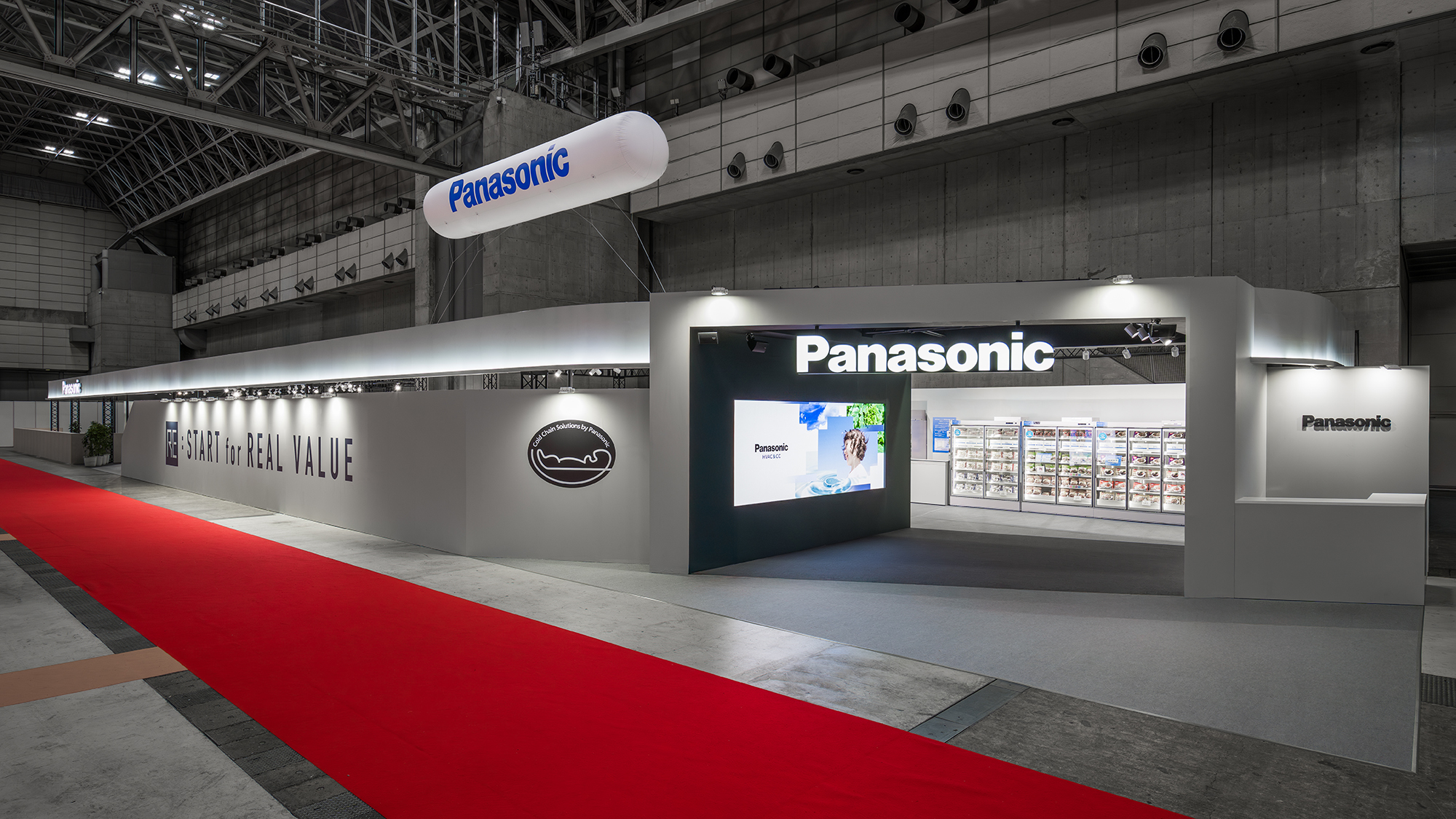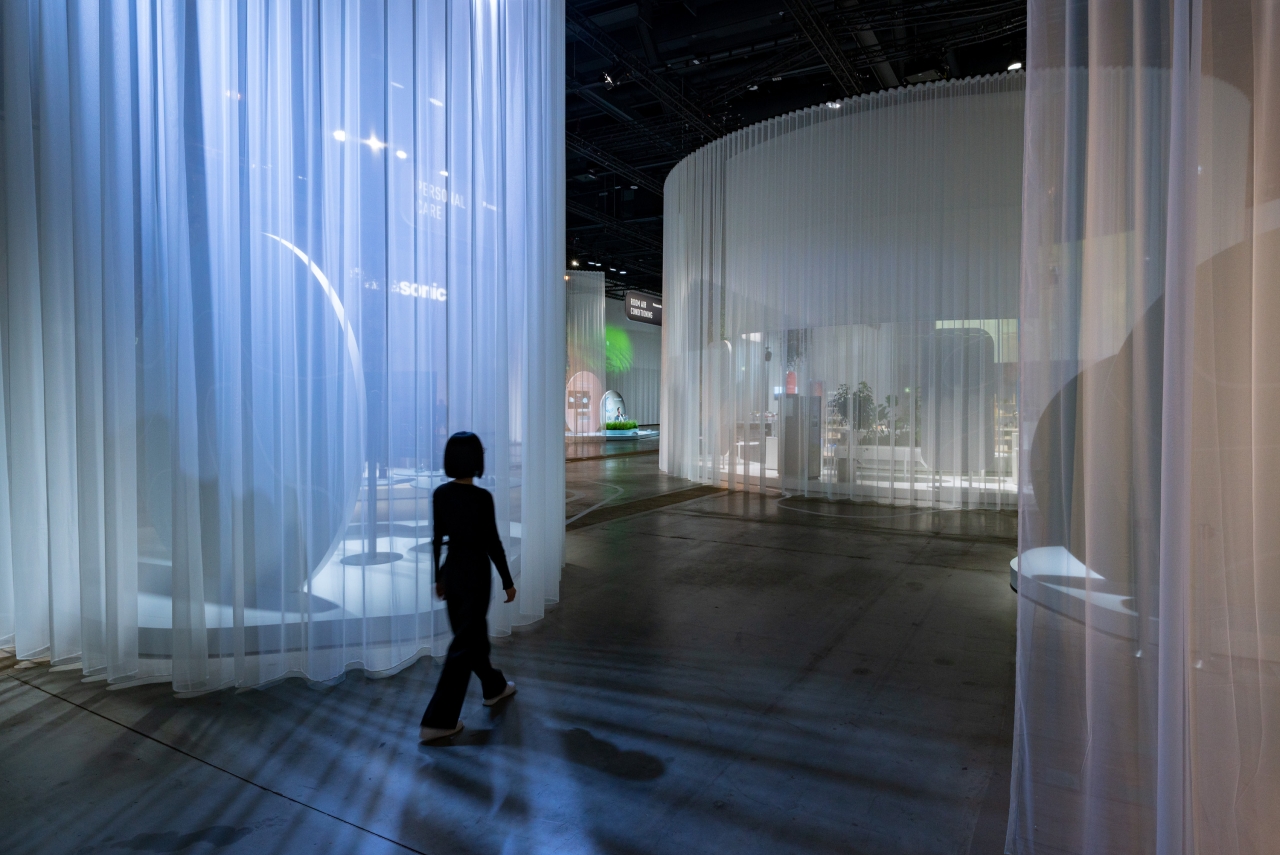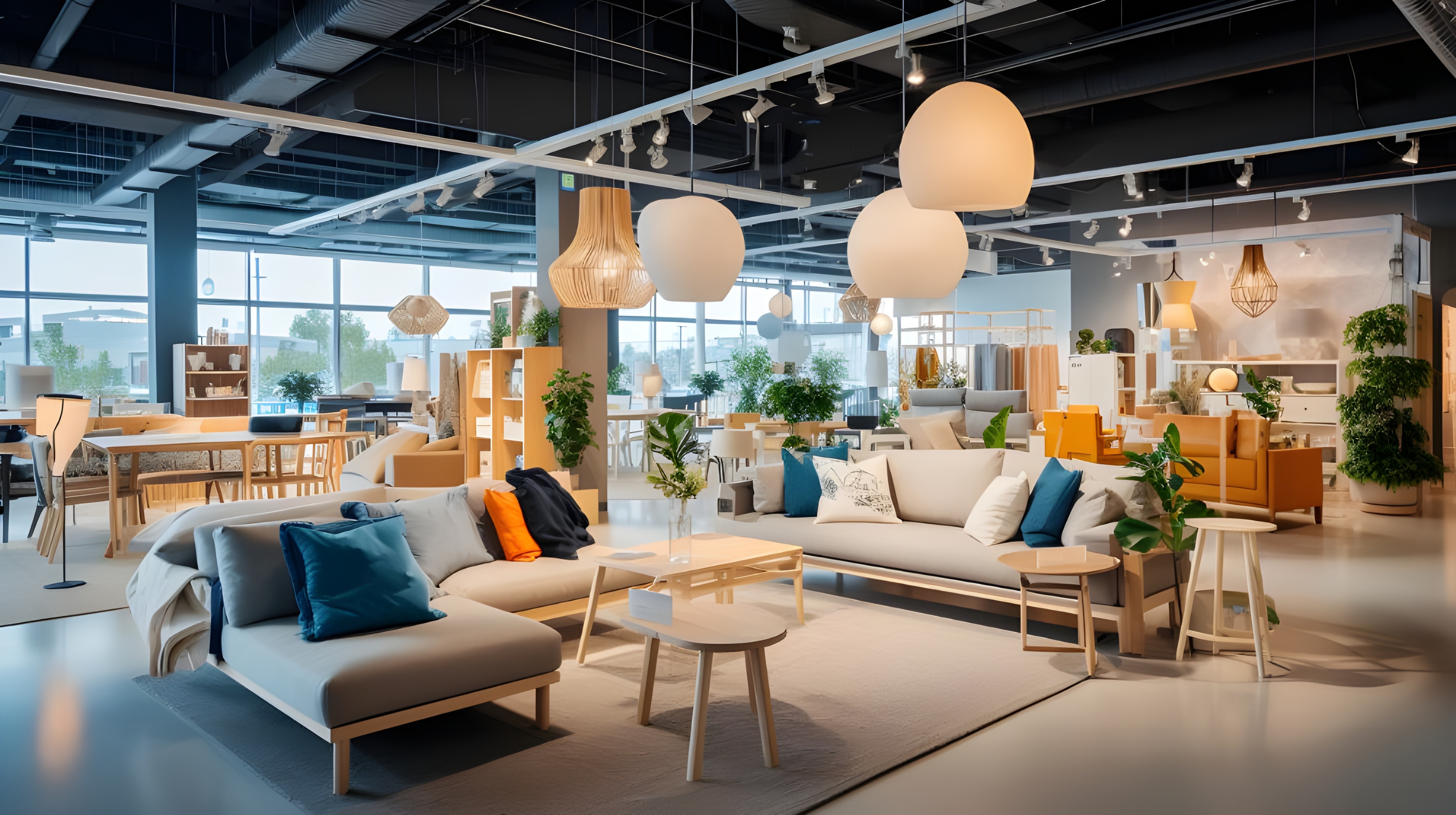
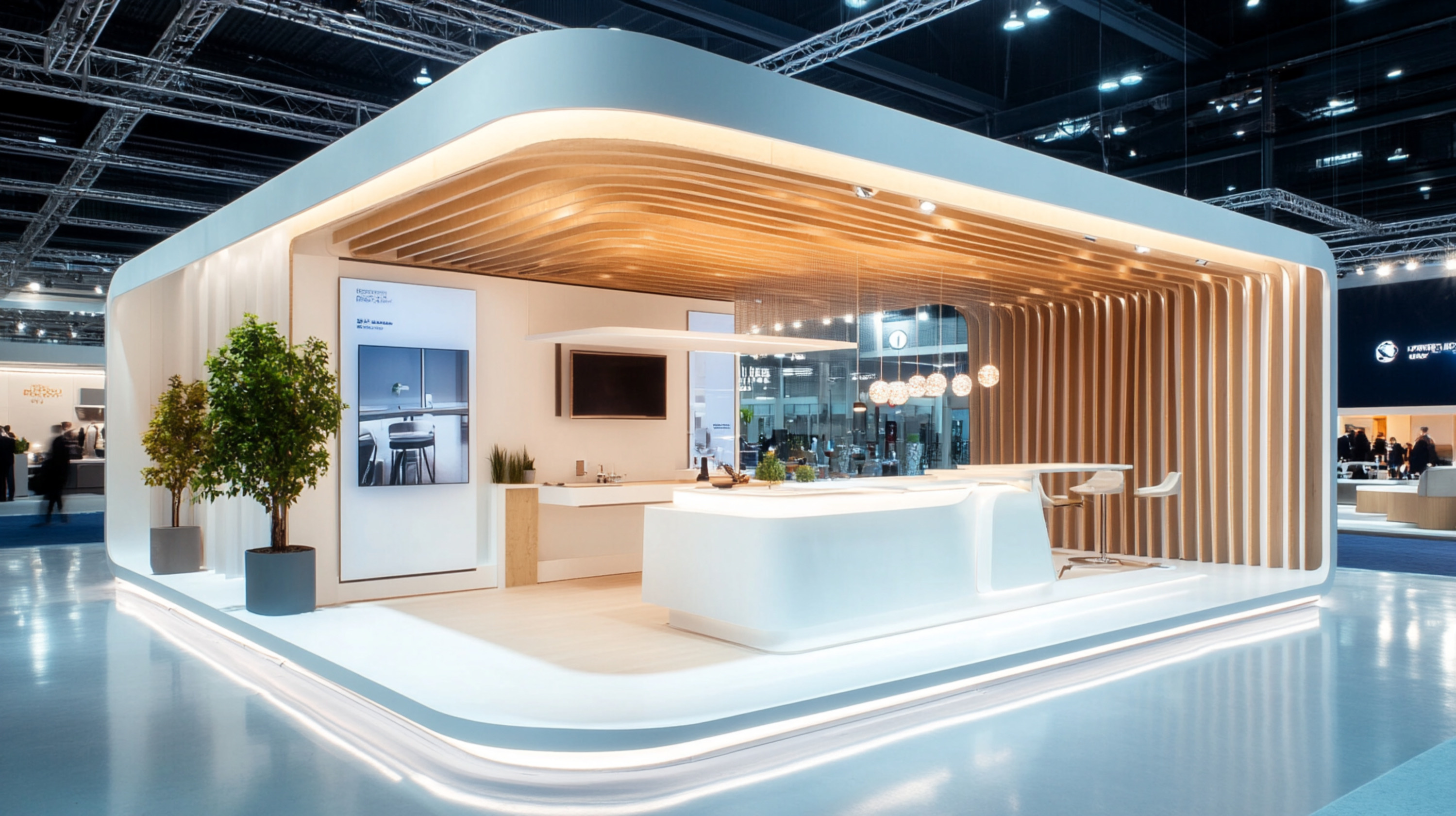
Think about exhibition booth design based on exhibition objectives and the value you want to convey.
In exhibition booth design, you plan a space to introduce products or services within the area (booth) assigned at the venue. By combining signage, display stands, lighting, and video, you give shape to what you want to convey to visitors within a limited space.
When proceeding with design, start by clarifying the purpose of the exhibition before deciding on colors or shapes. This is because the appropriate booth appearance changes depending on the goal, such as acquiring new business partners, expanding awareness of the company or products, building relationships with existing customers, or announcing new products. For example, if the goal is to expand awareness, a unified design that makes the company name or logo visible from a distance is suitable. If the focus is on acquiring business leads, in addition to an open entrance that is easy to enter from the aisle, a business meeting space where you can talk calmly is also necessary.
Once the purpose is decided, clarify the value you want to convey to visitors. Trying to convey too much information can make it harder to leave an impression. By firmly establishing "who you want to deliver what value to," a consistent theme will run through the entire booth, from signs and displays to staff movements.
When considering such designs, the location of the booth within the venue is also an important point. Depending on whether it faces a main aisle or is on a corner, the flow and visibility of visitors will change, which also affects the orientation of the entrance and the layout of the exhibits.
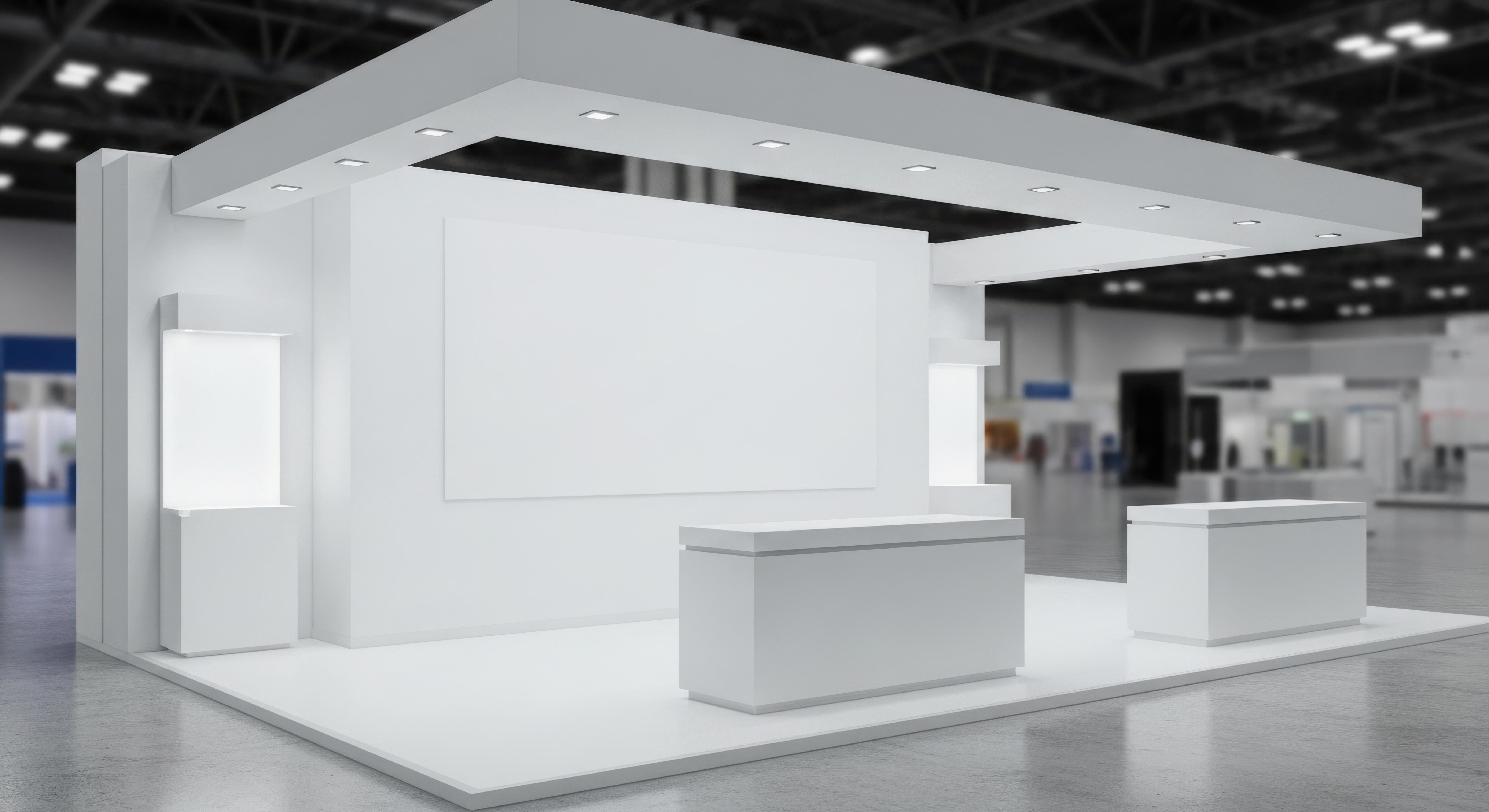
*The image is for illustrative purposes only
Points for exhibition booth design that resonate with visitors.
Here, we introduce three points on how to present your booth to capture the interest of visitors walking down the aisle.
Think of signs and messages that can be understood from a distance
To get visitors to stop by, it is essential to have markers that allow them to judge what the booth handles even while walking down the aisle.
Company names, logos, and catchphrases are more likely to catch the eye if they are placed within the height range specified by the organizer, in a position that can be seen over people's heads.
In that case, one method is to choose short words for the catchphrase that immediately convey value to visitors, and leave detailed explanations to panels or handouts within the booth. By separating the content to be conveyed according to distance—words that can be understood at a glance from a distance, and information that deepens understanding when close up—the message becomes easier to reach.
Express the appeal of products and brands through the design of the entire space
The design of the entire space, including the booth's color scheme, lighting, and graphics, greatly influences the impression on visitors.
The colors used should basically be selected in accordance with the company's logo or brand guidelines. It is important to consider whether the product is buried in the background and whether it matches the image of the product or brand. Unifying the colors used for signs and display stands creates a sense of cohesion throughout the booth.
Lighting has the role of drawing attention to the products you want to show, as well as making the exhibits easier to see. Furthermore, since the color and placement of the light can greatly change the atmosphere of the entire booth, it is an important element to consider when designing.
When installing lighting, check from the position where visitors will stand to ensure that shadows do not fall on the product and that light does not reflect off panels, making text difficult to read. In meeting spaces, also make adjustments with consideration for the readability of documents and how well the other person's facial expressions can be seen.
Consider graphics and decorations based on whether they match the world view of the product or brand. Prioritizing only eye-catching elements can sometimes make the decorations stand out more than the product itself, which is the main attraction.
If you want to get a concrete image of how to present a booth using colors and materials, check out the examples where the base colors were changed for each product zone.SCAJ2025 De'Longhi Japan Booth Production Case Studyplease also refer to this.
Think about display methods that convey the product that is the star of the show.
It is important to narrow down the products to be exhibited based on the value you want to convey. Be careful, as displaying more products than necessary can make it difficult for visitors to know where to focus their attention.
For example, placing the main product near the entrance or at the front where it can be seen from the aisle to attract attention, and setting up a corner in the back of the booth to introduce case studies or detailed specifications, can naturally lead interested visitors further inside. On the other hand, depending on the product, it may be more effective to intentionally place it at the back of the booth. Consider the appropriate layout according to the purpose of the exhibition, the characteristics of the product, and the content to be introduced.
Also, for large products or equipment that is difficult to bring into the venue, you can convey their features even without the actual items by combining videos, models, and the like.
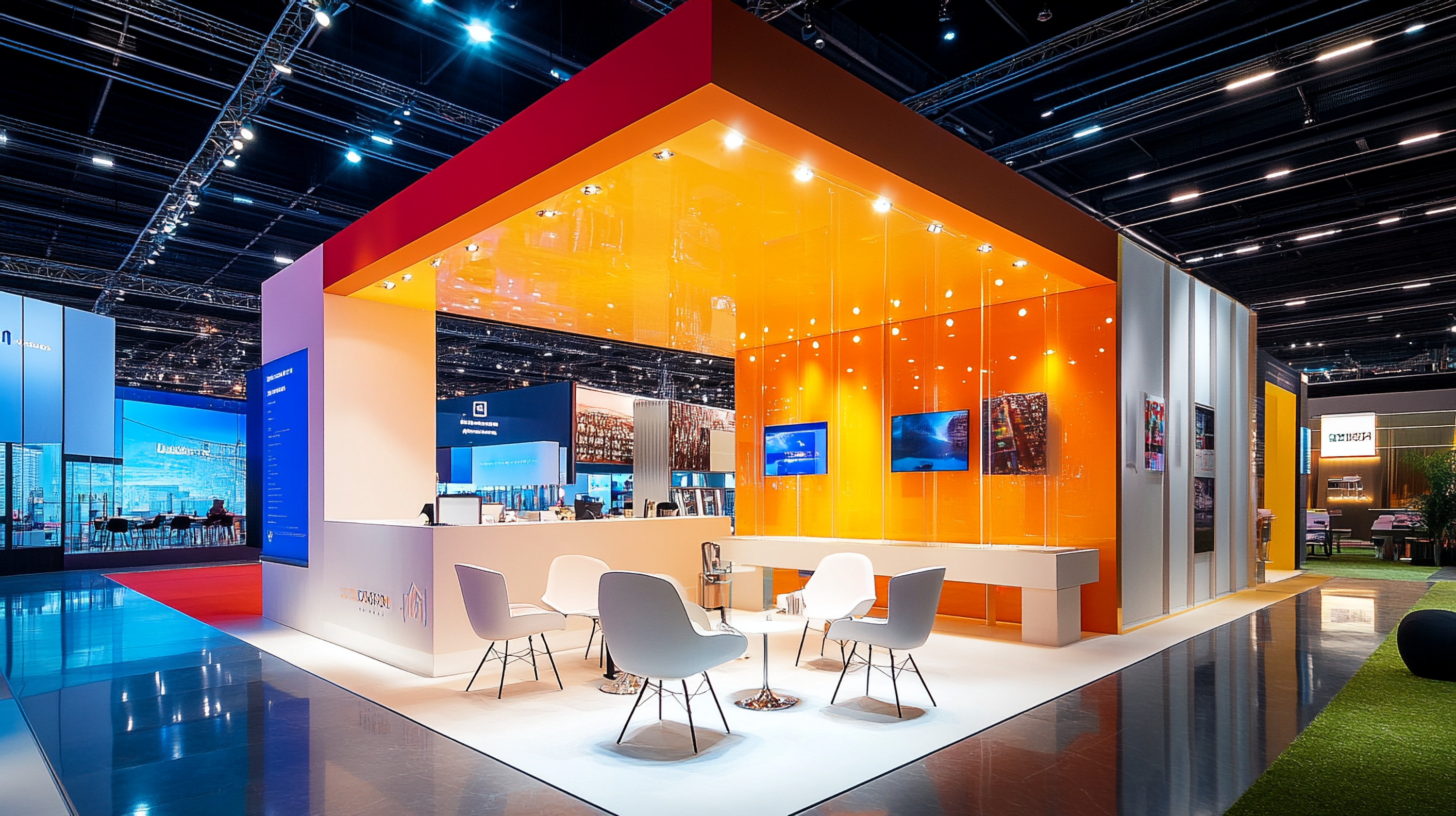
*The image is for illustrative purposes only
Booth design that considers the visitor's experience.
To connect visitors who stop by to the next action, such as a business meeting, it is important to incorporate experiences into the booth plan.
Thinking about experiences that convey the appeal of the product
Experiences such as actually touching the product or seeing it in motion can deliver appeal that is difficult to convey through panels and document explanations alone. By designing experiences tailored to the features of the product or service, such as operable actual machines, displays that recreate usage scenarios, or presentations using video, you can make the exhibition booth leave a more vivid impression.
It is necessary to secure enough space in the experience corner for visitors to stop and spend time. If people spill out into the aisle, it not only hinders the passage of others but also makes it difficult for other visitors to enter the booth.
On the other hand, if you arrange it so that the appearance of people experiencing it can be seen from the aisle, that scene itself can attract the interest of other visitors and become a trigger for them to visit the booth.
Create opportunities that lead to dialogue with staff.
The value unique to exhibitions also lies in the ability to speak directly with visitors. By talking in front of the product, visitors can ask questions about points they are curious about on the spot, and staff can change the content of their explanations according to the visitor's interests.
Opportunities for dialogue can also be created through the design of the booth space. By providing a place near the exhibits where staff can stand naturally, they can casually approach visitors at the moment they are looking at the products. However, be careful, as approaching visitors immediately after they enter the booth or having a large group waiting at the entrance can sometimes make visitors feel guarded.
Staff placement should be considered in line with where visitors stop and the flow from explanation to consultation. Ensure separate spaces are secured so that the flow of people listening to explanations in front of products does not overlap with those having detailed consultations. The necessary equipment and space will vary depending on whether the focus is on short Q&A sessions or detailed consultations involving spreading out materials.

Design your exhibition booth with the value you want to convey as the core.
Exhibition booth design begins with defining the purpose of the exhibition and the value you wish to convey. By planning based on a consistent approach—from signs and messages visible from a distance, to effects using color and lighting, display methods tailored to the purpose, and space creation for experiences and dialogue—you can create a booth that remains in the visitors' memories. Creating a booth design that catches the visitors' eyes, leaves an impression of the product or brand's appeal, and considers functionality such as ease of viewing, traffic flow, and ease of business negotiation is one of the keys to leading an exhibition to success.
Choosing a contractor who shares the purpose of the exhibition and can be entrusted with everything from planning to design and construction is also an important point for reflecting the value you want to convey throughout the entire booth.
If you would like to know how to proceed with booth creation or the scope of work that can be outsourced, please refer to the production track record and the flow from planning to construction and operation introduced by Nomura Medias.Exhibition servicesplease also refer to this.